Our Home - A Modern Model of Hospice Care
The Prince & Princess of Wales Hospice was created to offer patients and families a setting that feels calm, dignified and personal, rather than institutional. Its move from Carlton Place to Bellahouston Park was not simply a relocation; it was an opportunity to reimagine what modern hospice care could look and feel like.
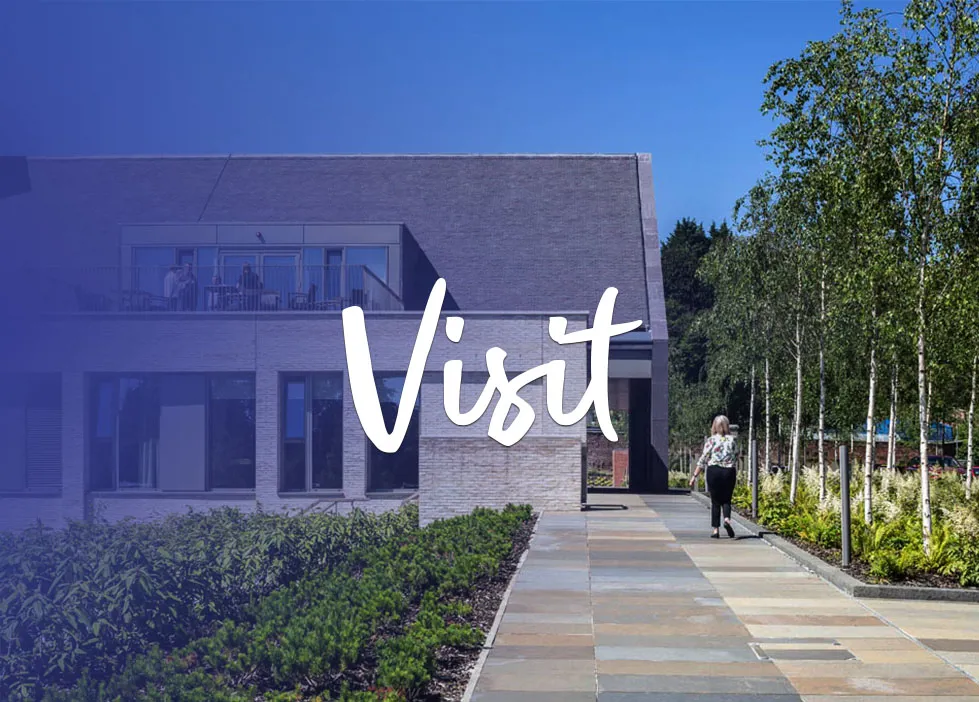
We are Glasgow's Hospice. In October 2018 we opened the doors to our new hospice in leafy green Bellahouston Park, on the south side of Glasgow. Our new home gives us the flexibility to develop our services and allows us to offer the highest standard of care to our patients and families in an environment that looks and feels like home.
Like any home, it's not just about the building but the people inside. Our team of staff and volunteers are our greatest asset, and they are the reason we can continue to provide individual, patient-centred and family-focused care to the people we support.
The Need For a New Hospice
The hospice had outgrown its former premises: a series of five-storey townhouses on Carlton Place, beside the Clyde in Glasgow. Although the building had served the organisation for more than 30 years, it no longer met the requirements of modern healthcare or reflected the hospice's vision for future care.
Finding the Right Site
The hospice team reviewed 32 sites across South Glasgow before Glasgow City Council suggested a 7.46-acre site in Bellahouston Park. Glasgow City Council gifted the site to the hospice, and the setting offered the space, privacy and peaceful surroundings needed for a purpose-built hospice rooted in nature and community.
Establishing the Project Team
A dedicated hospice project team was formed to define the requirements for the new building. Their work began with a clear question: how could the physical environment support care that was clinically advanced, emotionally sensitive and genuinely centred on patients and families?

Front Gates

Front Door

Reception

Atrium

Counselling Room

Clare's Room

Sanctuary

BARGACREE Café Image

The Bowie Dining Room

Berry Suite

The four villas

Living Well Hub

Seasonal Gardens and pond

Patient Bedroom

Young Adults

Foyer

Complementary Therapies
Young Adult Lounge

Night time exterior

In Patient Unit

Gardens
Gardens and pond

Family Kitchen In Patient Unit

Court Yards

Balconies

Garden Rooms
Choosing an Architect
The team's first priority was to appoint an architect. In a bold decision, the hospice selected a practice without healthcare experience because it wanted to avoid a design that felt clinical or institutional. The ambition was to create a place that felt more like home while still supporting excellent specialist care.
The Design
The team put together a dedicated and innovative design team to deliver the new hospice: Ryder Architecture, Atelier Ten, Burns Design, Erz, AECOM, Pinsent Masons, Turner & Townsend, Woolgar Hunter Engineers and Fairhurst.
Key features of the design include:
- The hospice burrows into the hillside.
- Four interlinked villas that look and feel domestic in scale.
- The original front door from Carlton Place.
- Wherever you are in the building, you can get an outside view.
A Design Approach Shaped by the Clinical Team
The principal architect was Alastair Forbes, who first worked with NORD and later with Ryder Architecture. As part of the design process, the hospice team asked him to lie in a patient bed and spend time absorbing the atmosphere of the inpatient unit. He later said the experience changed his professional life.
In his own words: "When I came on board, I was asked to spend some time in a bed on the ward in the hospice. From the bed I could see what a patient sees; how much of the ceiling they see, how much they see or can't see out of a window. It's a very clinical environment, with the noises, the smells, the proximity to other staff and patients. I took a picture of myself while I was there so that I could refer back to it throughout the process. It's all about going back to that photo and asking about giving a patient choice. To remember we make buildings for people, and with this building that is especially important to always have at the beginning of all decisions made."
Following extensive consultation with patients, families, staff, volunteers and external stakeholders, the design vision became clear. The new hospice would put the patient first, offer choice, and create a calm environment where water, soft lighting, natural daylight and a strong connection to nature would bring peace to patients and families.
The Scandinavian Sengetun Model
The Prince & Princess of Wales Hospice is a pioneering facility and the first hospice in the UK to use the Scandinavian Sengetun model of palliative care. This innovative approach, sometimes described as a "bed courtyard" or "string of pearls," challenges traditional ward planning by placing the dignity of patients and families at the centre of the design.
Patients and families are at the very heart of the design, which provides adaptable private, social and family spaces. Based on research linking healthcare environments with wellbeing, the model supports quality of life in a setting that feels more like home, while clinical and medical assistance sit firmly in the background. Open communal areas create a strong sense of place, and shorter walking distances give staff more time for direct patient care.
Design That Facilitates Advanced Care Delivery
The building's design and technology have changed the way care is delivered. Wireless systems free staff from static observation points, while the courtyard model improves visibility, proximity and responsiveness. These practical, patient-focused features reduce stress, support staff, and improve the experience of patients and families.
Natural Materials and a Sense of Home
A simple palette of materials supports the building's calm and unassuming character. An external layer of natural Penrhyn heather blue slate reinforces the protective nature of the building envelope, while internal timber linings create warmth. Together with natural light, these materials help generate a positive, peaceful and welcoming environment.
The Outside Space
The new hospice sits within the parkland landscape of Glasgow's Bellahouston Park, a conservation area with historically significant traditional villas and Arts and Crafts cottages. The building's position creates three distinct landscape spaces: a northern arrival area, a western main garden with therapeutic water elements, and an existing hill space that acts as a wildflower meadow and destination for quiet reflection.
The Award-Winning 2024 RHS Chelsea Garden
The 2024 Best in Show garden at the RHS Chelsea Flower Show officially opened in the hospice grounds in 2026 and was named the Malcolm Family Forest Bathing Garden. Its leafy, peaceful setting will make a meaningful difference to patients, families and local communities.
The garden complements the hospice's wider design philosophy, which focuses on bringing the outdoors inside and recognising the therapeutic benefits of safe, accessible green space.
Remembering Our History
Although the new building brings twenty-first-century care to Glasgow, the hospice remains careful not to forget its roots at Carlton Place. Subtle references to the former Georgian townhouse include alcoves for private reflection or conversation, echoing an important feature of Glasgow townhouses. The original front door was also relocated to become the entrance point of the new hospice, ensuring the old and new buildings remain intrinsically linked.
Wholly contemporary yet rooted in its past, the hospice is a special place: humble, dignified, unobtrusive, sociable, community-based and private when required.
People Over Process
Healthcare teams from around the world have visited the hospice for inspiration. Many are surprised to learn that there is no traditional nurses' station. Instead, nurses remain close to patients and nearer the bedside.
Oxygen is housed inside traditional furniture so that patients can spend time with their families in communal spaces without being visibly attached to clinical equipment. Flooring choices were made with the same principle in mind: patients should be able to step out of bed onto warm carpet, as they would at home.
Pets are allowed and encouraged on, and even into, the bed because the comfort of having a much-loved animal close by can outweigh perceived infection-control concerns when appropriate measures are in place. These choices reflect a wider philosophy: care should be designed around people, not processes.
Like any home, it's not just about the building but the people inside it, and our team of staff and volunteers remain the reason we can continue to provide individual, patient-centred and family-focused care to the people we support.
Award-Winning Design
The hospice's design has received significant professional recognition, including:
- 2019 – Scottish Design Awards
- 2019 – Glasgow Institute of Architects Supreme Award
- 2020 – Royal Institution of Chartered Surveyors Scotland Award
- 2021 – Royal Incorporation of Architects in Scotland Awards
The Prince & Princess of Wales Hospice demonstrates how thoughtful design can transform care. By combining clinical excellence with warmth, nature, memory and choice, the hospice offers patients and families a place that feels peaceful, personal and profoundly human.
Fundraising to Build the New Hospice
The new hospice was the culmination of six years of hard work. Thanks to the generosity of the people of Glasgow, and of Scots from further afield, the hospice raised £21 million through the Brick by Brick appeal. The Arnold Clark Family contributed a six-figure donation to the appeal, and the building and the Hill Top garden has been named in honour of Sir Arnold Clark.
Work began on site in September 2016. The result is a world-class building that is non-clinical in feel and appearance, yet houses the latest in medical equipment. The focus throughout has always been on patients and their families, not on staff routines or traditional healthcare barriers.